
 Make Apple Juice
 Make Cider
 Dry Fruit & Veg
 Create Cordials
 Bottle Fruit
 Recipes
 Other
OtherBasket is empty
Planting Apple Trees for Biodiversity and Delicious Harvests
04/03/2026

Planting apple trees is a wonderful way to enhance biodiversity in your garden while also producing delicious apples for cooking, juicing, and cider making. Here’s a guide to help you create a thriving, biodiverse orchard and make the most of your harvest with Vigo Presses equipment.
Why Plant Apple Trees?
Apple trees are not only beautiful and productive but also play a crucial role in supporting local ecosystems. They provide habitats for various wildlife, including birds, insects, and small mammals. Their blossoms attract pollinators like bees, which are essential for the health of many plants. Additionally, apple trees help improve soil health and reduce erosion and flooding.
Choosing the Right Varieties
For a diverse and productive orchard, consider planting a mix of apple varieties. Here are some excellent UK choices:
- For Juicing:
- Discovery: This early-season apple is known for its sweet and tangy flavour, making it perfect for fresh juice.
- Egremont Russet: With its nutty flavour and firm texture, this variety produces a rich and flavourful juice.
- For Cider Making:
- Dabinett: A classic bittersweet cider apple, Dabinett is renowned for its high tannin content and excellent cider quality.
- Yarlington Mill: This bittersweet variety is prized for its balanced flavour and is a favourite among traditional cider makers.
Planting for Biodiversity
- Site Selection: Choose a sunny location with well-drained soil. Ensure there is enough space for the trees to grow without overcrowding.
- Soil Preparation: Enrich the soil with organic compost to provide essential nutrients and improve soil structure.
- Planting: Dig a hole twice the size of the root ball. Place the tree in the hole, ensuring the graft union is above the soil line. Backfill with soil and compost, and water thoroughly.
- Companion Planting: Plant wildflowers and herbs around your apple trees to attract beneficial insects and improve pollination. Consider plants like clover, comfrey, and marigolds.
- Mulching: Apply a layer of mulch around the base of the trees to retain moisture, suppress weeds, and improve soil health.
Seasonal Care Tips
- Spring:
- Pruning: Remove dead or diseased branches and shape the tree to encourage healthy growth.
- Fertilising: Apply a balanced fertiliser to support new growth.
- Summer:
- Watering: Maintain consistent watering, especially during dry spells.
- Thinning: Thin out excess fruit to prevent branch breakage and improve fruit quality.
- Autumn:
- Harvesting: Pick apples as they mature.
- Mulching: Refresh the mulch layer to protect roots during winter.
- Winter:
- Protection: Wrap young trees with burlap or tree wrap to shield them from harsh winds and frost.
- Pruning: Prune during dormancy to remove damaged or dead branches.
Harvesting and Processing
Come autumn, your trees will be laden with apples ready for harvesting. This is where Vigo Presses equipment comes into play. Our range of fruit presses and crushers makes processing your apples easy and efficient.
- Crossbeam Presses: For smaller quantities, our crossbeam presses are a perfect starter press . They handle fruit pulp with ease, making them suitable for both juice and cider production.
- Hydropresses: Ideal for larger-batch pressing, hydropresses use water pressure to extract juice, ensuring high yields with minimal effort.
By following these steps, you can create a biodiverse orchard that not only supports the environment but also provides you with delicious apples for all your culinary and beverage needs. Happy planting and pressing!
Feel free to contact us if you have any questions on 01404 890093 or if you need further assistance with your orchard or fruit processing equipment. We're here to help you every step of the way!
Extended Producer Responsibility (EPR): Packaging Costs Explained
26/01/2026
Understanding Extended Producer Responsibility (EPR)
Extended Producer Responsibility (EPR) is a UK scheme that was introduced by DEFRA. It is designed to ensure that the businesses placing packaging on the market contribute to the cost of managing and recycling it once it becomes waste. In simple terms, the scheme shifts the responsibility for recycling away from local authorities and onto producers, suppliers, and brand owners who use packaging materials such as glass, cardboard, plastic, and metal.
Under EPR, packaging costs are calculated based on the type of material used and its weight. Materials that are more expensive or complex to recycle attract higher fees. These charges are applied across the supply chain.
Why these costs are passed on
As a supplier, we are charged directly under the EPR scheme for the packaging we place on the market. These charges are set nationally and are based on packaging material and weight. To remain sustainable as a business and continue providing high‑quality products, we are required to pass these packaging costs on in a transparent and proportionate way. This ensures compliance with government regulations.
Ultimately, EPR is designed to encourage smarter packaging choices across the industry. By making the true cost of packaging more visible, the scheme incentivises reduced waste, improved recyclability, and more environmentally responsible packaging decisions.
Packaging cost reference
Below is a simple guide to the current EPR costs per tonne, along with the equivalent cost per kilogram, for common packaging materials:
| Packaging Material | Cost per tonne (£) | Cost per kg (£) |
|---|---|---|
| Glass | £192 | £0.192 |
| Cardboard | £196 | £0.196 |
| Aluminium | £266 | £0.266 |
For more detailed and up‑to‑date information on Extended Producer Responsibility for packaging, you can visit the official UK government guidance here: Extended producer responsibility for packaging – GOV.UK.
Making Cider - The Keeving Method
30/09/2025
Keeving Cider: Naturally Sweet, Traditionally Mad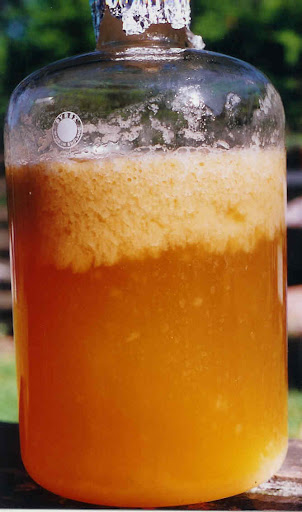 e
e
Keeving is a traditional cider-making method that produces naturally sweet, low-alcohol cider without adding sugar or using heat to stop fermentation. It’s a technique still practiced in parts of France and increasingly used by artisan cider makers in the UK. For those who appreciate craft beverages and traditional technique, keeving offers a fascinating glimpse into the art of fermentation.
What Is Keeving?
Keeving is about controlling fermentation. Normally, yeast consumes all the sugar in apple juice and turns it into alcohol, resulting in a dry cider. Keeving interrupts this process early, preserving some of the apple’s natural sugars. The result is a cider that’s sweet, smooth, and lower in alcohol - usually around 4-5%.
The magic happens through the formation of a jelly-like layer called the ‘chapeau brun’ (French for “brown cap”). This layer forms at the top of the juice after specific enzymes (pectin methyl esterase) and ionic compound, calcium chloride are added. It traps solids and nutrients, starving the yeast and slowing fermentation. Once the juice clears beneath the cap, it’s carefully siphoned off and bottled while still sweet.
Choosing the Right Apples
Not all apples are suitable for keeving. Bittersweet cider apples like Dabinett, Yarlington Mill, and Michelin are ideal because they’re low in nitrogen and high in tannins. These qualities help form the brown cap and give the cider its rich, complex flavor.
Keeving is often done with a blend of local apple varieties to balance sweetness, acidity, and tannin. Cider makers are rediscovering keeving with heritage apples and small-batch techniques, bringing new life to an old tradition.
A Delicate Process
Keeving is not easy. It requires precise temperature control, careful timing, and a deep understanding of fermentation. The process can take several weeks, and even experienced cider makers don’t always get it right. That’s part of its charm. Each batch is a labor of love and a reflection of skilled craftsmanship.
Because the cider is bottled with residual sugar and without pasteurisation, it must be stored cold to prevent unwanted fermentation. Some producers use champagne-style bottles and corks to manage pressure and preserve freshness.
Taste and Pairings
Keeved cider is a treat for the tastebuds. It’s smooth, lightly sparkling, and naturally sweet, with flavours of ripe apples and wildflowers. The cider is balanced by gentle acidity and tannins, making it the perfect match for cheese boards, charcuterie, roast pork, or simply sipping in front of the fire on a cold autumn evening.
Keeving Kit at Vigo Presses
At Vigo Presses, we have everything you need to start making cider the natural way. Achieve stunning results and pure, sweet, sparkling cider.
Our Klercidre Kit comes with all the elements of the process.
Included in the kit is pectin esterase which is used to slow the process of fermentation by forming a floating pectin gel which traps nutrients and yeast, leading to a naturally sweet, low alcohol cider.
The kit also includes calcium chloride in the form of an aqueous solution. This works with the pectin esterase to bind with the pectin within the liquid to form a gel cap.
Within the calcium chloride, glycerol is added to stabilize your cider.
The kit contains enough pectin methyl esterase and calcium chloride to treat approximately 1000-1400 litres of cider apple juice.
Try your hand at making cider the traditional way with Vigo Presses.
Buy the Keeving Kit today! Find the product HERE.
Ordering over our website is the quickest method of placing your order as our system is automated to the warehouse, where we can dispatch the order in the same day.
Alternatively, we can take your order over the phone: 01404 890093.
Why not pop into our showroom? Find us at: Pelagic House, Flightway, Dunkeswell, Honiton, EX14 4RB.
Vigo Presses. Making the most of your fruit.
Discover the Vigo Presses Difference: Making Apple Juicing & Cider Crafting Simple and Rewarding
07/08/2025

Discover the Vigo Presses Difference: Making Apple Juicing & Cider Crafting Simple and Rewarding.
At Vigo Presses, we believe that making apple juice at home and crafting homemade cider should be as enjoyable as it is rewarding. Whether you're a curious beginner or a seasoned enthusiast, our wide range of apple presses—from compact table top models to robust cross beam, hydraulic, and hydropresses - offers the perfect solution for every scale and ambition. To simplify things further we have created a wide range of kits and combos with all the kit you need to get started. These can be viewed HERE.
Expert Guidance Every Step of the Way
What truly sets us apart is our personalised customer support. Our friendly team of experts is here to guide you through your apple pressing journey, offering advice tailored to your goals and setup. We steer clear of confusing jargon and never oversell - just honest, helpful guidance to ensure you get the most from your fruit.
Quality Apple Presses That Last
With competitive pricing and a reputation for durable apple pressing equipment, our products are built to deliver season after season. It’s not just a purchase - it’s an investment in years of fruit pressing and cider making experiences. Want to see our full range in person? Visit our showroom near Exeter, Devon to see our full range.
Seamless Online Shopping & Fast UK Delivery
Once you’ve chosen your kit, we make sure it gets to you quickly:
- Orders placed by 11am are usually dispatched same day
- Most UK mainland deliveries arrive within 2 working days
- Enjoy free UK shipping on orders over £150 (*excludes Scottish Highlands & Islands)
Unmatched Aftercare & Support
Our commitment doesn’t end at checkout. Whether you need tips on juice preservation, cider fermentation, or troubleshooting your fruit press, we’re just a phone call away. We’re proud to offer industry-leading aftercare, ensuring your experience is smooth, successful, and fun for the whole family.
A Legacy of Trust in Apple Pressing
With over 40 years of experience in cider making equipment, Vigo Presses is the trusted name in home juicing and craft cider production. Choosing us means more than acquiring a press - it’s about partnering with a team that genuinely cares about your success.
We'd love to hear from you, see our Contact Us page.
Common Cider Faults and How to Prevent Them
08/04/2025
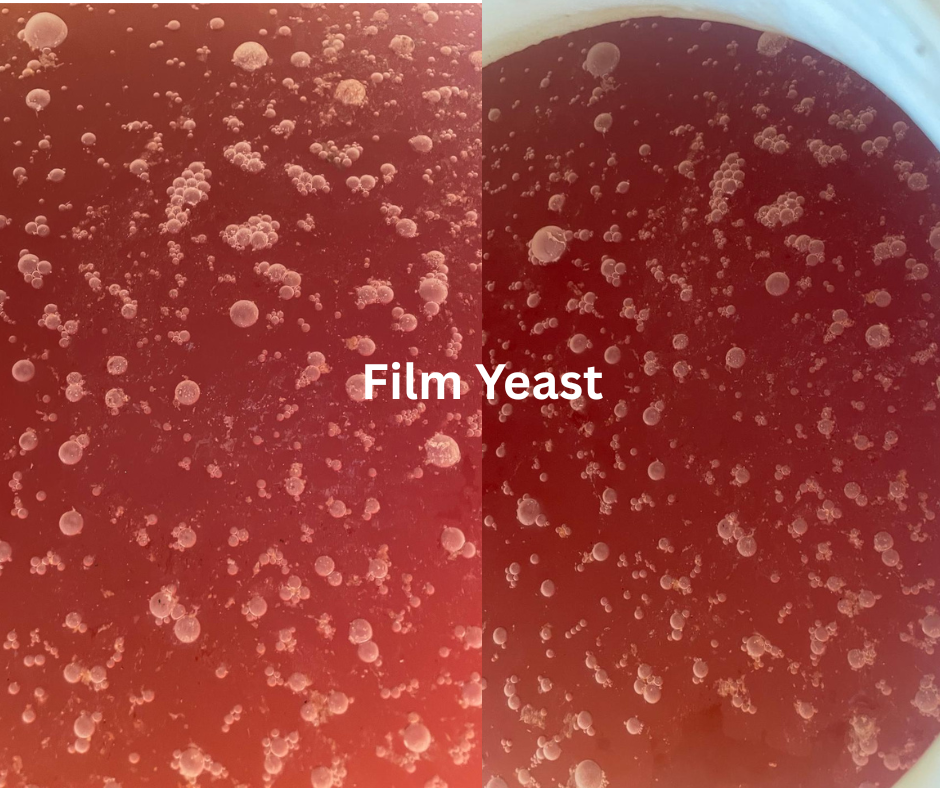
Making cider is a delightful and rewarding process, but sometimes things can go awry. Here, we'll explore some common cider faults, their causes, and how to prevent them to ensure your cider remains crisp and delicious.
1. Acetification
What it is: Acetification occurs when cider turns vinegary due to the formation of acetic acid. This is often perceived as a sharp, sour taste and a vinegary aroma.
Causes: This fault is typically caused by the presence of Acetobacter bacteria, which thrive in oxygen-rich environments. It can also result from film yeast or Brettanomyces infection.
Prevention: To prevent acetification, ensure your fermentation vessels are sealed properly to minimize oxygen exposure. Regularly check for and eliminate any sources of contamination, such as fruit flies. Using sulphites can also help inhibit bacterial growth
2. Cider Sickness
What it is: Cider sickness, caused by Zymomonas bacteria, results in a cider that smells like green apples or bananas and appears milky
Causes: This fault occurs when Zymomonas bacteria ferment sugars, producing acetaldehyde and other compounds
Prevention: Maintain a clean and sanitised environment. Increase the acidity of your cider to 0.5% and add active fermenting yeast to outcompete the bacteria. Always sterilize equipment thoroughly before reuse.
3. Discolouration
What it is: Discolouration in cider can manifest as a greenish or blackish tint, often accompanied by metallic tastes
Causes: This is usually due to the presence of metallic ions, especially iron or copper, which can leach into the cider from equipment
Prevention: Use equipment made from non-reactive materials like stainless steel. Ensure all equipment is properly cleaned and free from rust or corrosion
4. Film Yeast
What it is: Film yeast forms a powdery film on the surface of the cider, leading to off-flavours and spoilage
Causes: This yeast thrives in aerobic conditions and can contaminate slow or un-sulphured fermentations
Prevention: Keep your fermentation vessels sealed to limit oxygen exposure. Regularly check and clean your equipment to prevent contamination
5. Mousiness
What it is: Mousiness is a fault that imparts a distinctive mouse cage or cracker-like aroma and taste to the cider
Causes: This fault is often caused by lactic acid bacteria under certain conditions
Prevention: Maintain a low pH (below 3.5) and use sulphites to inhibit bacterial growth. Once mousiness is present, it is difficult to remove, so prevention is key
6. Ropiness
What it is: Ropiness makes cider appear oily or slimy due to the production of polysaccharides by lactic acid bacteria
Causes: This fault is caused by certain lactic acid bacteria that produce a slimy glucan
Prevention: Ensure good sanitation practices and monitor the fermentation process closely. Using sulphites can help prevent bacterial growth
7. Sulphur Smells
What it is: Sulphur smells, often described as rotten eggs or burnt matches, can be quite off-putting
Causes: These smells are usually caused by stressed yeast during fermentation
Prevention: Use yeast nutrients to support healthy fermentation and avoid stressing the yeast. If sulphur smells develop, try degassing the cider or using copper to react with the sulphur compounds
By understanding these common faults and their causes, you can take proactive steps to prevent them and ensure your cider remains in perfect condition. We're here to help, call us if you need any help with your cider making. Tel: 01404 890093 or email: sales@vigopresses.co.uk.
Checking Your Cider: Knowing When It's Ready for Bottling
31/03/2025
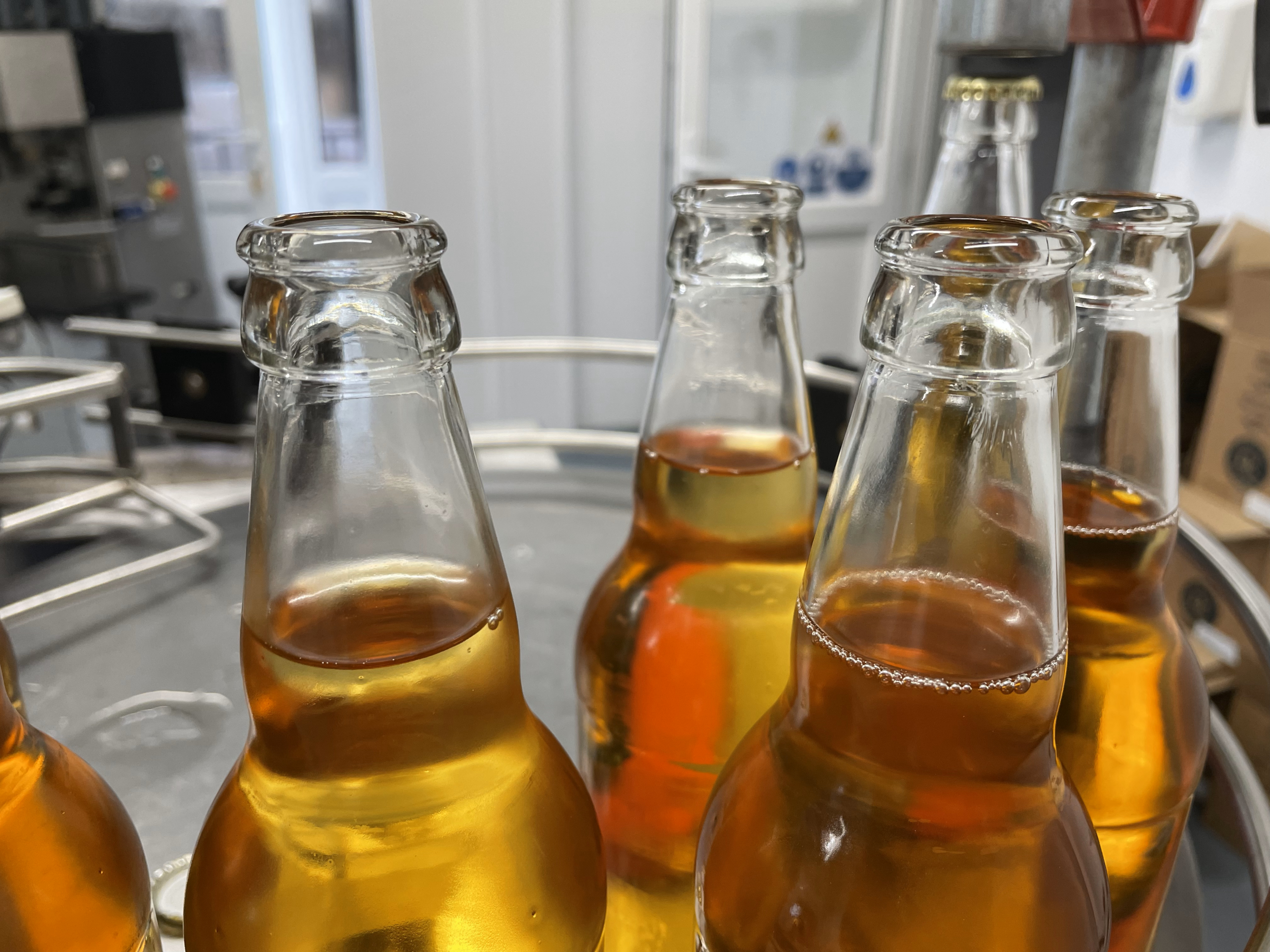
Making cider is a rewarding process that combines tradition with a bit of science. One of the most crucial steps in cider making is knowing when your cider is ready for bottling. This involves checking the cider's specific gravity and acidity using equipment like thermometers and hydrometers and pH meters.
Equipment Needed
- Hydrometer: This tool measures the specific gravity of your cider, which indicates the sugar content. By comparing the original gravity (before fermentation) and the final gravity (after fermentation), you can determine the alcohol content and ensure fermentation is complete
- Thermometer: Accurate temperature readings are essential for consistent hydrometer measurements. Most hydrometers are calibrated at 60°F (15.6°C), so it's important to adjust your cider's temperature accordingly
- pH Meter: To measure the acidity of your cider, a pH meter. This helps ensure your cider has the right pH to prevent bacterial infection
Checking Specific Gravity
To check the specific gravity:
- Clean all equipment.
- Fill a test cylinder with a sample of your cider.
- Place the hydrometer into the cider and give it a slight spin.
- Take the reading where the surface of the cider intersects the scale.
- Document the specific gravity reading
The specific gravity should be stable over a few days, indicating that fermentation is complete. Typically, a final gravity reading around 0.998 or lower suggests that your cider is ready for bottling
Measuring Acidity
Acidity can be measured using a pH meter. The ideal pH for cider is between 3.2 and 3.8. Adjusting the acidity can be done by adding malic acid or calcium carbonate, depending on whether you need to increase or decrease the acidity
Common Mistakes to Avoid
- Inconsistent Fermentation Temperature: Maintaining a consistent temperature is crucial. Fluctuations can stress the yeast, leading to off-flavours or stuck fermentation
- Poor Sanitation: Always clean your equipment thoroughly. Contaminants can spoil your cider, causing undesirable flavours and aromas or bacterial infections
- Rushing the Process: Patience is key. Allow fermentation to complete fully before bottling to avoid over-carbonation or exploding bottles
- Incorrect Specific Gravity Readings: Ensure your hydrometer is calibrated and your cider is at the correct temperature for accurate readings
- Ignoring Acidity Levels: Proper acidity balance is essential for a pleasant taste. Regularly check and adjust the pH as needed
Best Practices for Bottling
- Clean Everything: Thoroughly clean and sanitise all bottles, caps, and equipment to prevent contamination
- Use Priming Sugar for Carbonation: If you want carbonated cider, add a precise amount of priming sugar to your cider before bottling. This will create natural carbonation during bottle conditioning
- Avoid Oxygen Exposure: When transferring cider to bottles, minimize splashing to avoid introducing oxygen, which can spoil the cider
- Leave Headspace: Ensure you leave about an inch of headspace in each bottle to allow for expansion and carbonation
- Seal Tightly: Use appropriate caps or crown caps to ensure an airtight seal. This is crucial for maintaining carbonation and preventing spoilage
- Store Properly: Store your bottled cider in a cool, dark place. This helps maintain its quality and allows the flavours to mature
Packaging and Storing Your Cider
Once your cider is ready for bottling, you have several options for packaging and storage:
Glass Bottles: These are the most common and preferred method for storing cider. They provide an airtight seal and do not react with the cider's acidity. You can use capsules, swing-top lids, or corks for sealing.
Bag in Boxes: The bag in box system is the perfect solution to the problem of cider storage and serving. As the cider is drawn from the box via the tap, the bag collapses without letting in any air, keeping the cider fresh to the last drop. Cider (or wine) will remain in good condition for weeks or months and can be drawn off by the glass.
Our bag in boxes are suitable for storing dry or pasteurised cider. Cider can be stored in these containers for up to 24 months. The disposable bag in box has a double skinned inner bag which fits into a strong cardboard box a strong secure solution.
Plastic Jerrycans: Jerry cans are perfect for shorter term storage and dispensing. Ensure your cider is stable before filling otherwise they will expand.
Store your bottled cider in a cool, dark place to maintain its quality. Properly stored cider can last from 1 to 10 years, depending on factors like alcohol content, clarity, and carbonation.
By using the right equipment and methods, avoiding common mistakes, and following best practices for bottling, you can ensure your cider is perfectly balanced and ready for bottling. Happy cider making!
Feel free to contact us either on the phone 01404 890093 or via email: sales@vigopresses.co.uk if you have any questions or need further assistance with your cider-making process.
How to Carbonate Your Cider: A Guide by Vigo Presses and Devon Drinks Solutions
26/03/2025
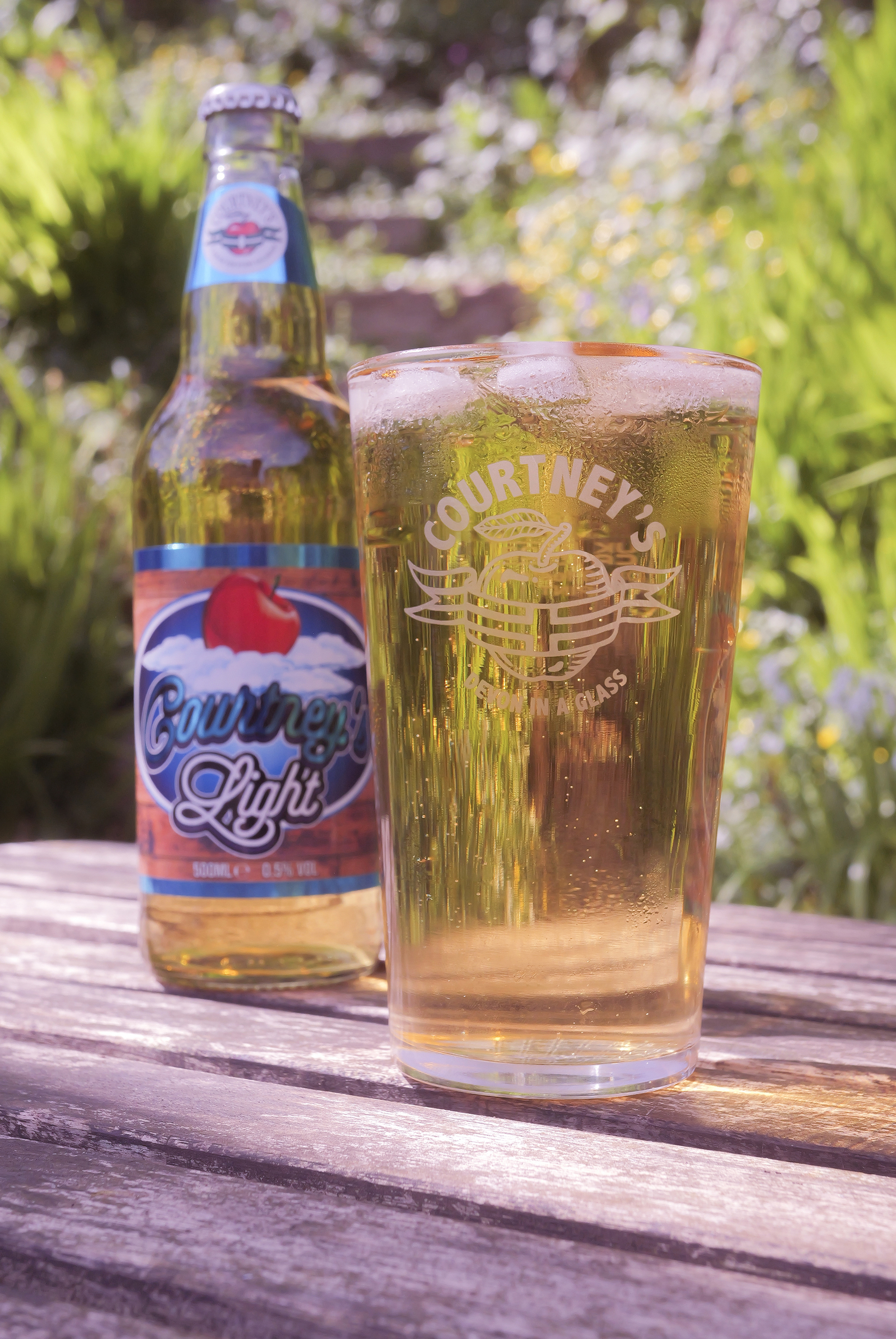
Have you ever wanted to produce a fizzy cider? Carbonating your cider can add a delightful sparkle and enhance its flavour. At Devon Drinks Solutions, we’re here to guide you through two popular methods: bottle conditioning and force carbonating.
Bottle Conditioning
Bottle conditioning is a traditional method that involves adding a small amount of sugar to your cider before bottling. This sugar ferments in the bottle, producing carbon dioxide (CO2) which carbonates the cider.
Steps for Bottle Conditioning:
- Fermentation: Ensure your cider has completed its primary fermentation.
- Priming Sugar: Dissolve the appropriate amount of priming sugar (usually dextrose) in a small amount of boiling water. Allow it to cool.
- Mixing: Add the sugar solution to your cider and mix gently to avoid oxygenation.
- Bottling: Bottle the cider, leaving some headspace, and cap the bottles.
- Conditioning: Store the bottles at room temperature for 1-2 weeks to allow carbonation to develop
Advantages:
- Natural carbonation process.
- Adds complexity to the flavour.
Considerations:
- Requires careful measurement of sugar to avoid over-carbonation.
- Takes time for carbonation to develop.
Force Carbonating
Force carbonating involves directly injecting CO2 into your cider, typically using a kegging system. This method is faster and allows for precise control over carbonation levels.
Steps for Force Carbonating:
- Kegging: Transfer your cider into a clean, sanitised keg.
- Chill the cider if possible, for better CO2 absorption
- CO2 Injection: Connect the keg to a CO2 tank and set the regulator to the desired pressure (usually around 15-30 psi).
- Carbonation: Shake the keg gently to help dissolve the CO2 into the cider. Alternatively, let it sit under pressure for a few days
- Serving: Once carbonated, your cider is ready to be served directly from the keg or transferred to bottles.
Advantages:
- Quick and efficient.
- Precise control over carbonation levels.
Considerations:
- Requires additional equipment (keg, CO2 tank, regulator).
- Initial setup cost can be higher.
Which Method is Right for You?
Both methods have their merits. Bottle conditioning is ideal for those who enjoy traditional methods and don’t mind waiting for the carbonation to develop. Force carbonating is perfect for those who want quick results and precise control over their cider’s fizziness.
At Vigo Presses we offer a range of equipment to help you make your cider. Why not try our sister Company Devon Drinks Solutions achieve the perfect carbonation for your cider. Whether you’re a home brewer or a commercial producer, we have the tools and expertise to support your cider-making journey.
Happy cider making and cheers to your fizzy cider adventures!
Prepare for Harvest Season with Vigo Presses
21/08/2024
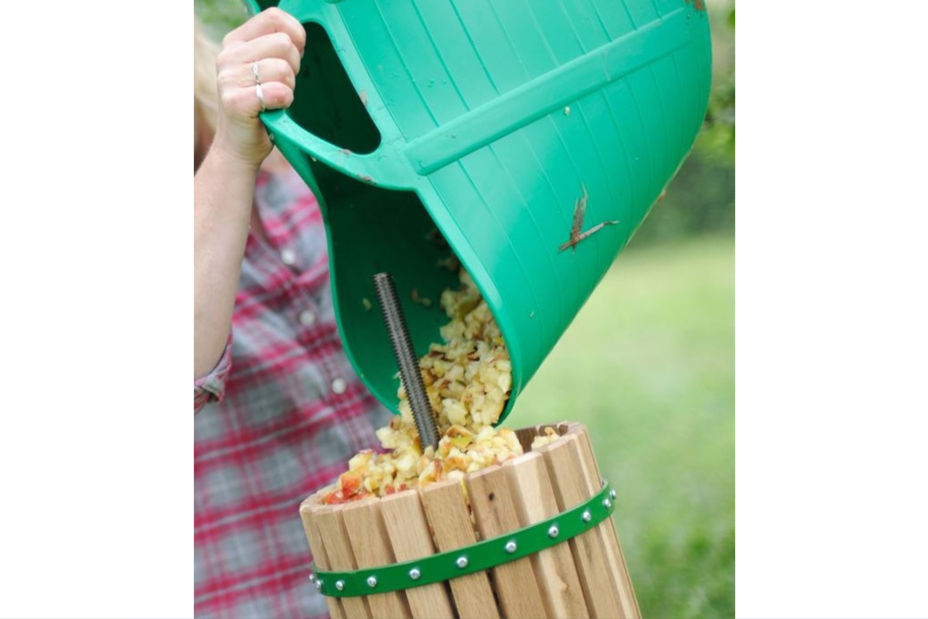
If you haven't seen our previous blog then where have you been? Harvest season is fast approaching and we want to make sure you are fully prepared!
As the summer days are starting to shorten, and your crop is looking bountiful, it is time to plan ahead and prepare for the harvest season. Whether you are a newcomer eager to explore the world of fruit pressing, or a seasoned expert looking to upgrade your equipment, we have everything you need to make this harvest season your most fruitful one yet.
Start a New Hobby with Your Harvest
Picture yourself enjoying a crisp glass of homemade apple juice, or sharing a bottle of your very own cider with friends. This year it is easier than ever to transform your harvest into delicious drinks. Now is the perfect opportunity to put your apples to good use instead of letting them go to waste. At Vigo Presses, we offer fantastic starter kits that will make it easy to begin your juice and cider making journey.
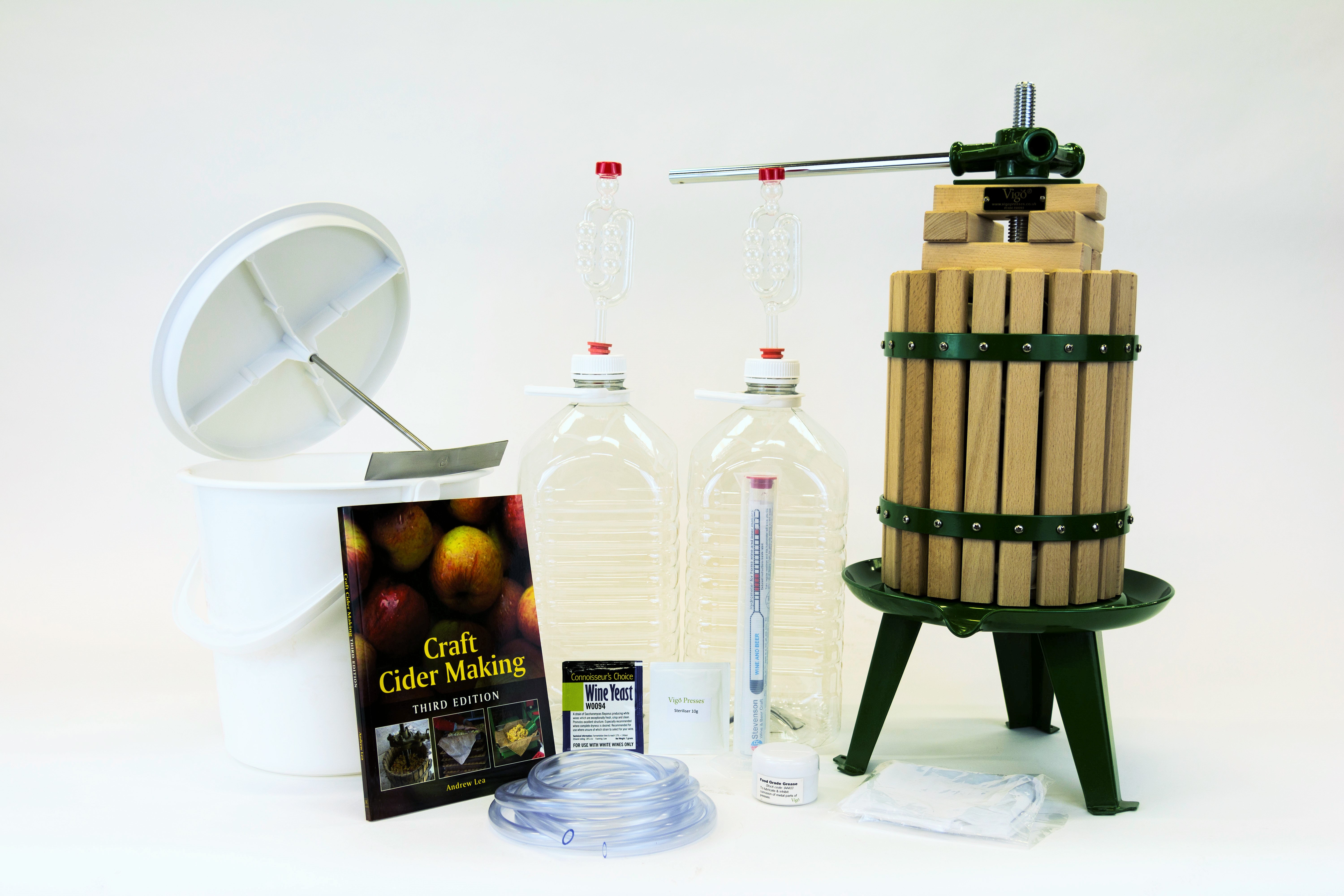
Plus, we provide FREE advice through our ‘How To Guides’ right here on our website. Not only that, we are always just a phone call away. We love speaking to our customers and are here to offer all the support you need to stay on track and make the most out of your harvest.
Essential Equipment for your Harvest
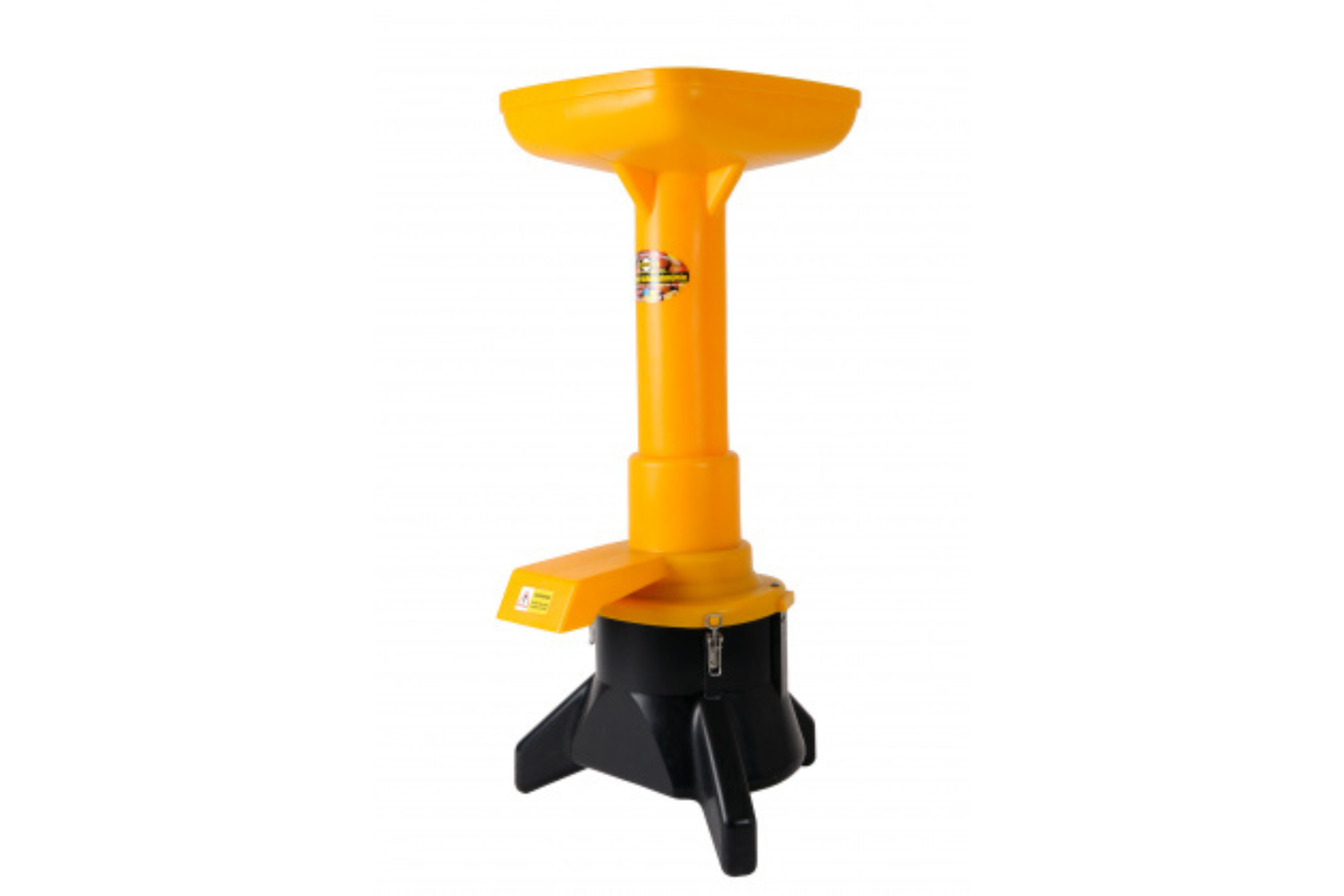
Crushers & Mills
Before you can press your fruit, you’ll need to crush it to extract the maximum juice. Our crushers and mills are built to handle a variety of fruits, ensuring that you get the most out of your harvest. Our equipment is crafted for efficiency and ease of use.
Apple Press
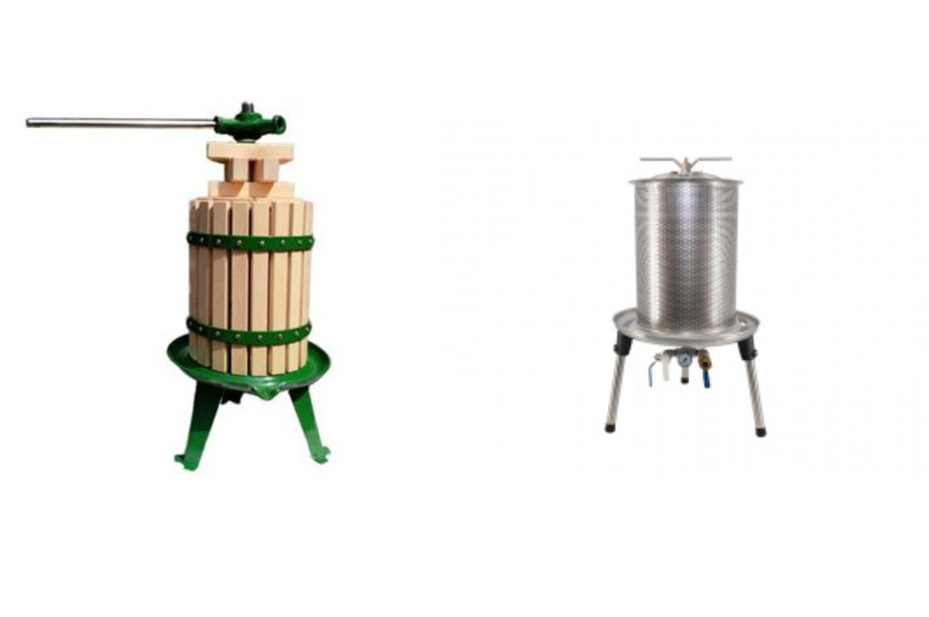
A reliable apple press is essential for making juice or cider. At Vigo Presses, we offer a range of high-quality presses to suit everyone, whether you're making a small batch at home or running a larger operation. From traditional hand-operated presses to powerful hydraulic models, we have something to fit every need or budget.
Upgrade Options for Seasoned Makers
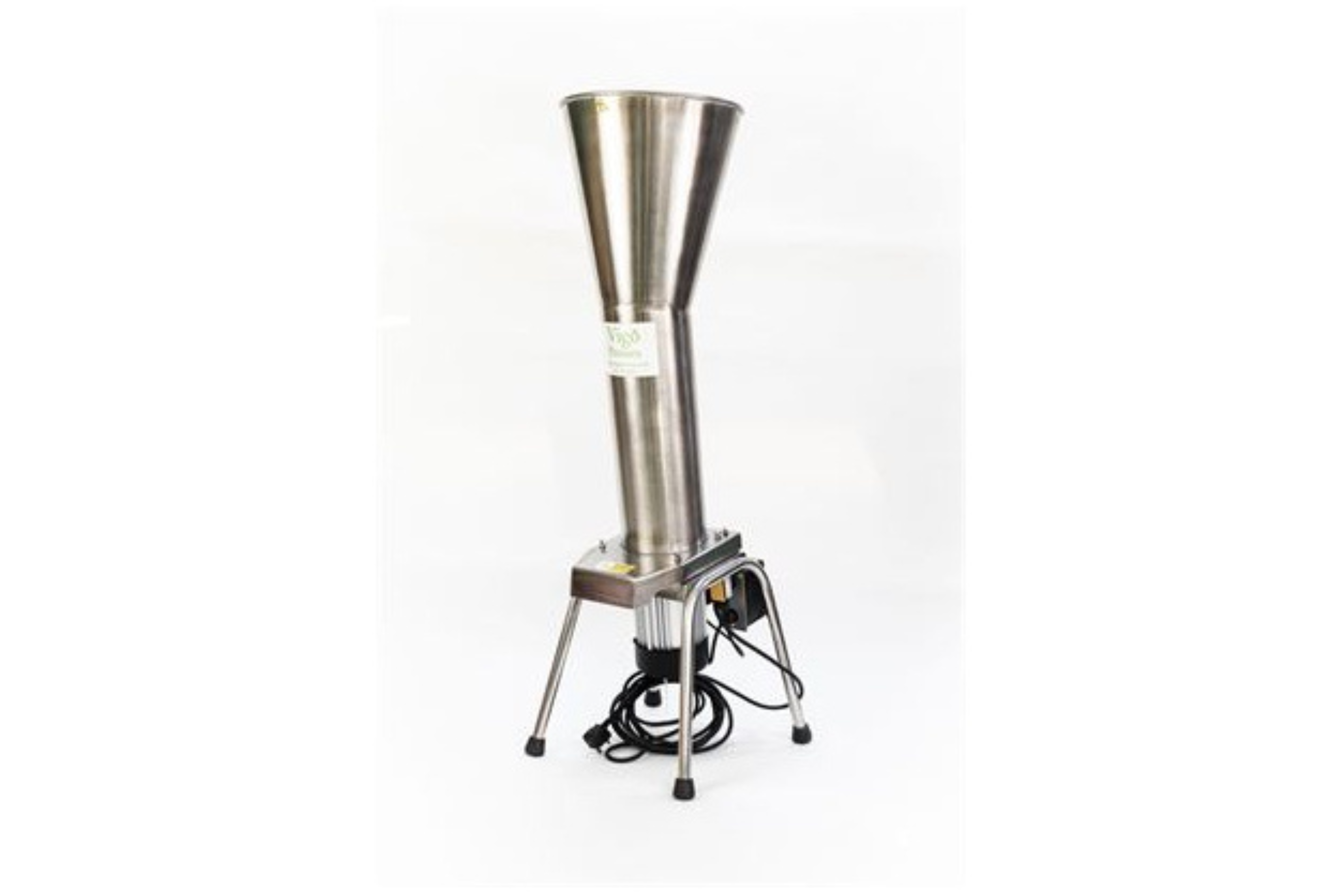
Are you looking to upgrade your production and take your juice and cider making to the next level? This year, consider upgrading to our advanced options. Our Stainless Steel and Speidel Electric Mills are engineered to handle whole apples effortlessly, producing the perfect pulp for pressing. You can maximise your efficiency without compromising on quality!
Have you Thought About Storage?
Once your juice is pressed, you need to ensure that you have adequate storage options in place. We offer a wide variety of fermenters, barrels, demijohns and glass bottles to accommodate your needs. Don’t risk running out of storage space, make sure you plan ahead and enjoy your homemade creations all year round!

Get Started Today
With harvest season just around the corner there is no better time to start preparing. Explore our range of starter kits, upgrade options and other essential equipment to get you ready. Whether you are starting a new hobby or upgrading your current setup, we’re here to make sure your fruit pressing journey is smooth and satisfying.
With Vigo Presses by your side, this season promises to be as rewarding as it is exciting. Start today and discover why enthusiasts trust us for all their fruit pressing needs!
How to Make the Most out of your Fruit
18/07/2024
T-MINUS 7 WEEKS UNTIL HARVEST SEASON.
Are you ready?
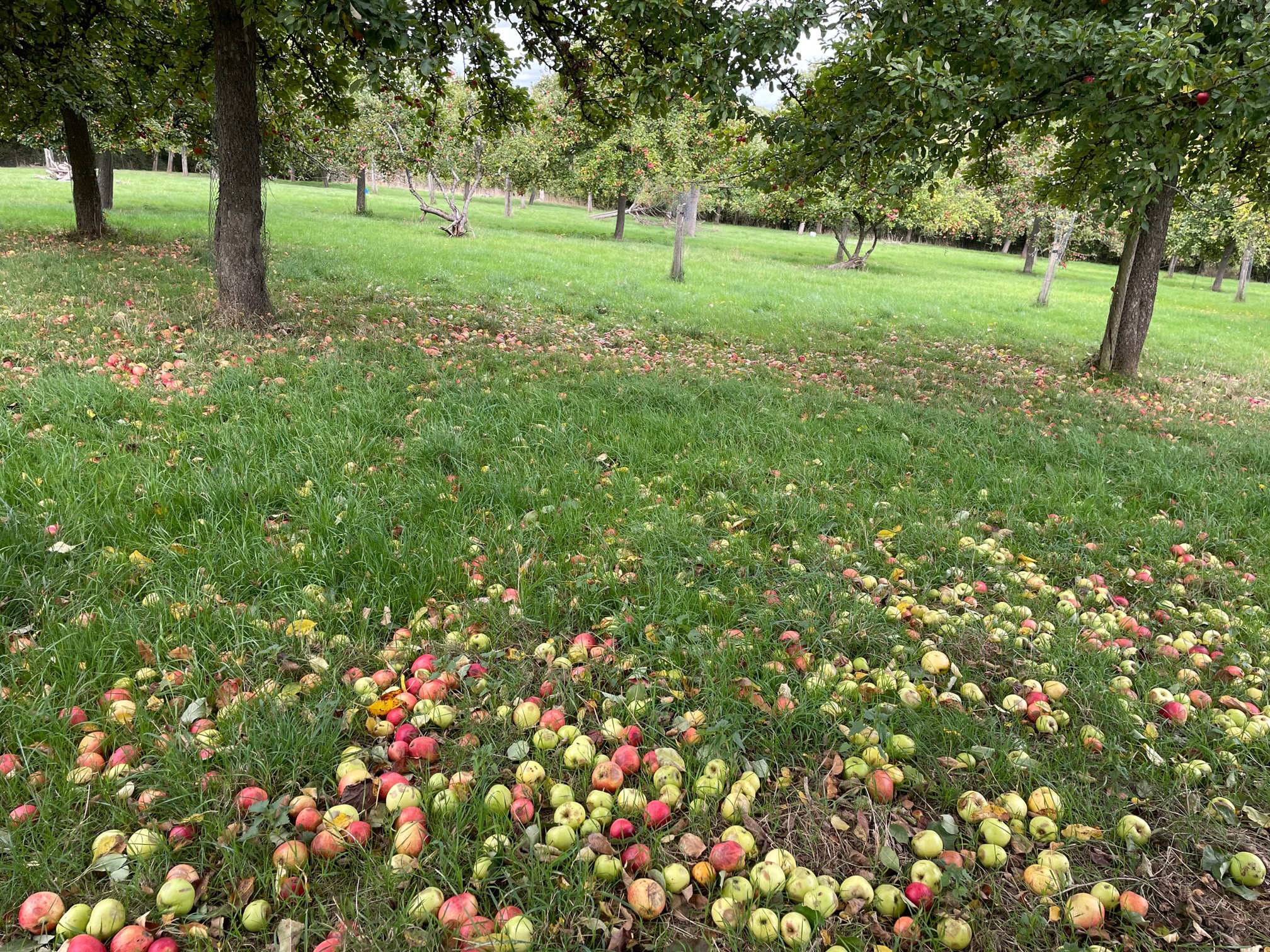
It’s a glorious summer morning and you are looking out of your window at the start of an abundant fruit yield. But wait! What are you going to do with all those apples, pears, and other fruits when it's time to harvest? Now is the perfect time to start thinking about what to do. Instead of letting them go to waste, why not turn them into delicious fruit juices and ciders? With the right tools and our expert guidance, you can easily make the most of your fruit harvest.
Start a New Hobby with your Fruit this Year
Imagine sipping a glass of fresh, homemade apple juice, or sharing a bottle of your own cider with friends. This year you can turn that dream into a reality. With the right equipment from Vigo Presses, you will be able to start a new hobby that is both enjoyable and delicious.
Here’s what you’ll need to get started:
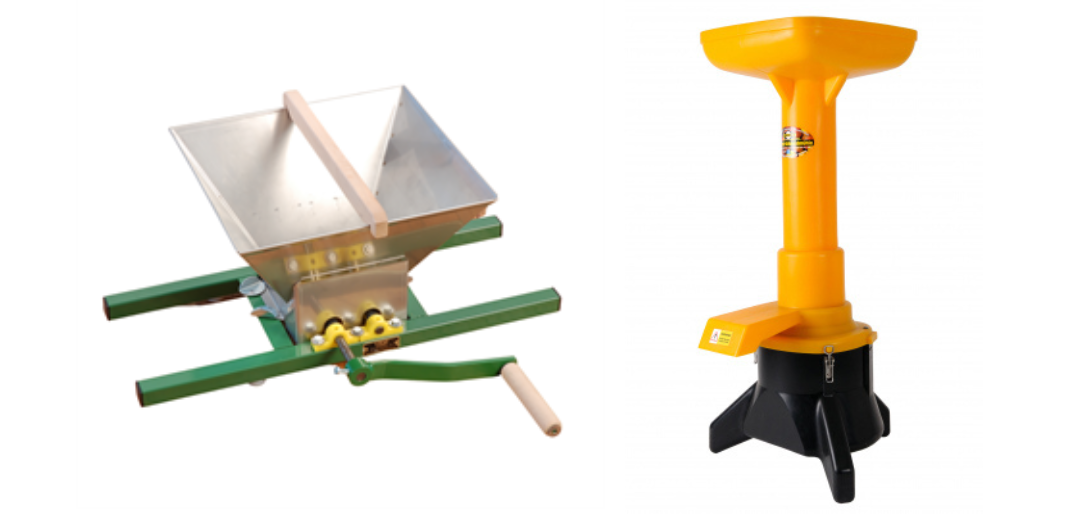
- Crushers & Mills
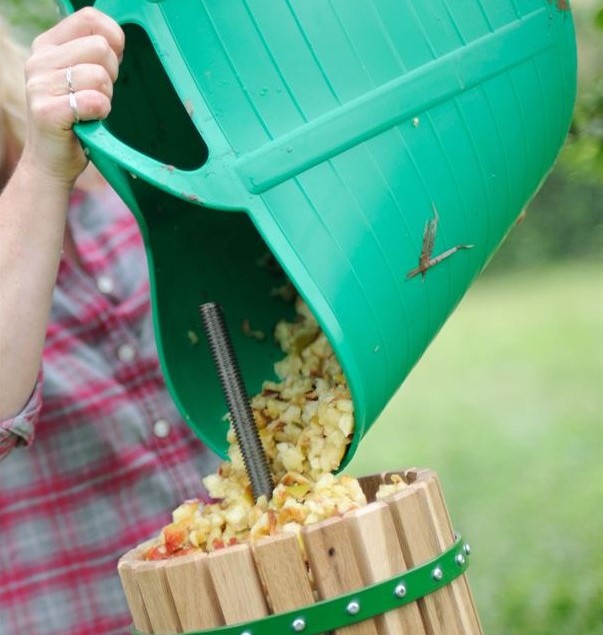
Before pressing, you’ll need to crush your fruit to a pulp. Crushers and mills will break down the fruit so that you are able to extract the juice. Check out our crushers and mills that are designed to handle a variety of fruits to ensure you get the most juice possible.
- Apple Press
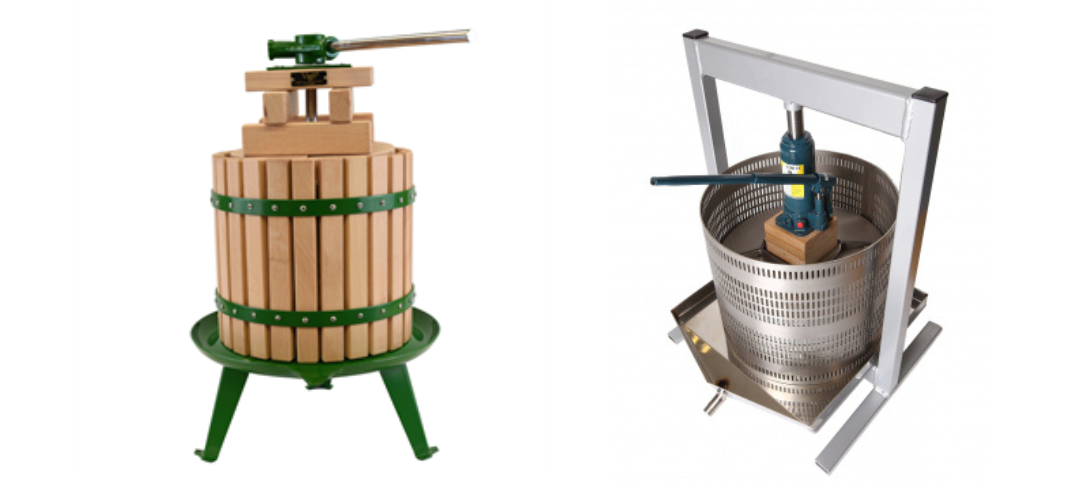
Apple presses are essential for making juice or cider. They allow you to easily squeeze the juice from your fruit. Vigo Presses offers a wide range of high-quality, market-leading apple presses to suit different needs. Whether you are looking to make small or larger batches, we’ve got you covered.
- Combos & Kits
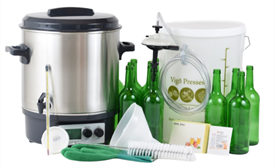
If you are thinking of starting a new hobby, our starter kits are a fantastic option. These kits have everything you could need to start making juice or cider at home. Explore our combos and kits which have perfect options for beginners plus larger setups for those considering upgrading their equipment.
 Trusted Support and Guidance from Vigo Presses
Vigo Presses is a trusted name for hobbyist juice and cider makers, known for our top-quality products and excellent customer support. We are always here to offer advice and support to guide you on your juice and cider-making journey.
We hear you: “Ok, so that’s the equipment I need, but how on earth do I actually make apple juice?”. Well fear not, we have made a helpful video guide that explains the process step-by-step. Watch our video to give you the confidence to make your own delicious fruit juices at home.
Additionally, you can check out our how-to guides on our website. Our guides cover everything from how to harvest your fruit, to storing your juice or cider. Everything you possibly need to succeed! If you still have any questions then simply call us and we'll give you all the assistance you need.
Don’t let your Fruit go to Waste
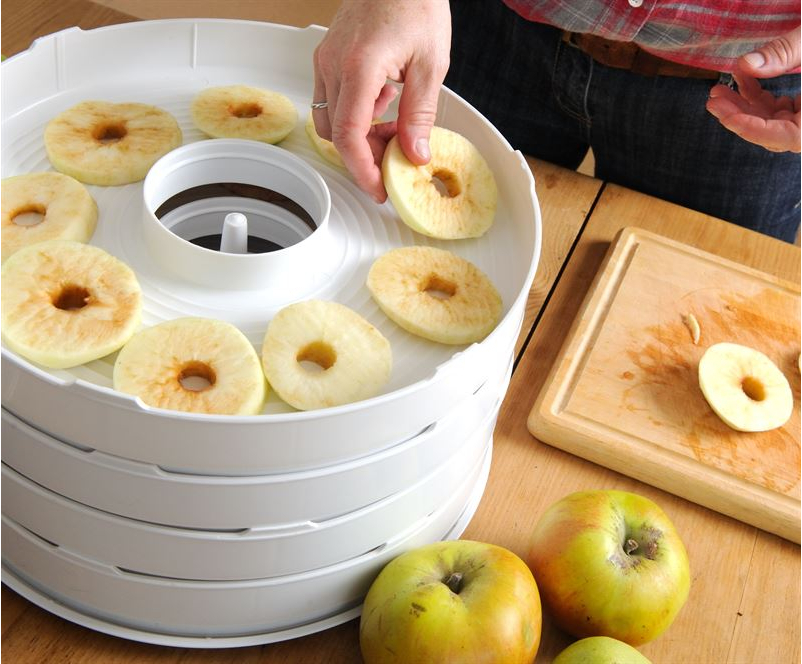
Do you often find that your fruit trees can produce more fruit than you can eat fresh? Instead of letting it spoil, why not turn it into something tasty to enjoy all year long? Making your own juice or cider is a fun and rewarding way to preserve your harvest.
You can even make jams and preserves for your morning toast, cake baking, or start your own side hustle. Why not have a look at our recipes page for more inspiration? Over the years we've come across some seriously scrumptious recipes.
Get Started Today
There is no better time to start making the most of your fruit. With plenty of starter kits and resources available here at Vigo Presses, you can begin your fruit juicing journey with ease. Whether you are making juice, cider, or other fruit-based products, we are here to guide you every step of the way.
Start a fantastically tasty hobby today and enjoy the fruits of your labour all year round!
Harvesting and Storing Fruit - Transform your Fruit with Drying!
10/06/2024

As the harvest season approaches, many of us find ourselves with an abundance of fruit and wondering: “What do I do with all of it?”. You find that your freezer is full, and there is only so much apple crumble you can make. But, did you know that there’s an exciting alternative to preserving your harvest? Dried fruit snacks, a very delicious and practical solution if we do say so ourselves!
Why Dry your Fruit?
Drying fruit is a fantastic way to extend its shelf life, reduce waste, and create tasty, healthy snacks. Here are some more benefits of drying fruit:
- Versatility: Dried fruit can be used in a variety of ways such as in granolas, for baking, salads, or just as a snack on its own.
- Space: Dried fruit takes up much less space than fresh or frozen fruits.
- Reduced Waste: Instead of letting surplus fruit go to waste, drying them allows you to preserve it for months.
- Healthy Snacking: Dried fruit retains most of its nutrients and is a fantastic energy-boosting snack.
How to Dry Fruit
Drying fruit can be done in several ways, however, for the best results, we highly recommend using a dehydrator. It provides a controlled environment that speeds up the process of drying fruits while preserving their nutritional value and flavour.
At Vigo Presses, we offer a range of food dryers and dehydrators that makes drying fruit easiest and more efficient.
Pasteurising and Preservation
As well as drying, pasteurising is another excellent way to preserve your fruit. Pasteurisation involves heating fruit to kill bacteria, yeast, and mould, which will extend its shelf life. This is useful for making juices, ciders, and preserves.
Our pasteurisers are designed to make this process simple and effective, ensuring your fruit juices stay fresher for longer.
Get Creative with your Surplus Fruit
Are you looking for more inspiration? Visit our How To section and Recipes page for a variety of ideas on how to preserve your abundance of fruit. From dried apple ring snacks to cherry plum jelly, there are plenty of delicious and creative ways to enjoy your harvest all year round.
So, as the harvest season approaches, be prepared and not let your surplus fruit go to waste. With Vigo Presses’ dehydrators and pasteurisers, you can easily create a cupboard full of nutritious snacks and preserves, making sure nothing goes to waste.
Happy Harvesting!